 Parzival Plumbing
51 minutes ago in Business Services
High Authority Social Bookmarking Site for US SEO in 2026 - A2Bookmarks USA
Welcome to A2Bookmarks USA, your leading social bookmarking site designed for immediate digital impact across the United States. Our platform provides a powerful, specialized network that enables users to instantly share, organize, and elevate their most valuable web resources. As a premier choice among US social bookmarking sites in 2026, A2Bookmarks USA is engineered to maximize your content's shelf life, search engine indexing, and organic discoverability. Entrepreneurs, marketers, and creators rely on our platform to secure authoritative, geo-targeted backlinks that build lasting domain strength. Streamline your content strategy, connect with an engaged American audience, and leverage data-driven bookmarking features tailored for competitive U.S. markets. Gain the visibility advantage and accelerate your SEO results with a platform built specifically for the American digital landscape. Join A2Bookmarks USA and start building your authoritative link profile today.
High Water Bill Problem: Common Causes and How to Lower Your Water Costs parzivalplumbing.com
Parzival Plumbing
51 minutes ago in Business Services
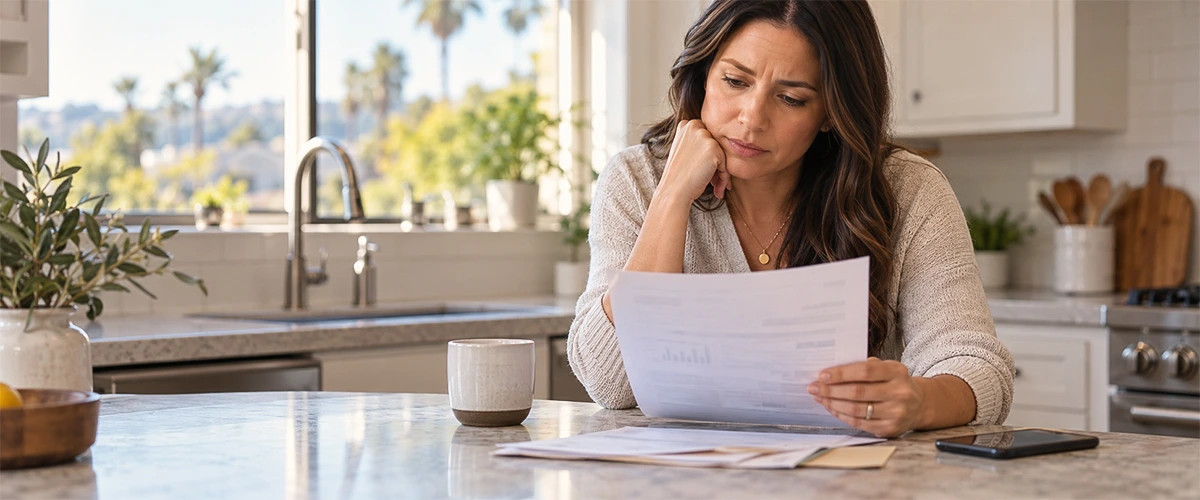
A high water bill can be frustrating, especially when your household water usage has not changed. If you suddenly notice an increase in your monthly water expenses, there may be an underlying plumbing issue that needs attention. Hidden leaks, running toilets, dripping faucets, and inefficient plumbing fixtures are some of the most common reasons for unexpectedly high water bills.
Understanding the causes of excessive water consumption can help you identify potential problems, reduce water waste, and protect your home from costly water damage. In this guide, we will explore the common reasons for a high water bill, how to detect plumbing problems, and practical ways to lower your water costs.
What Causes a High Water Bill?
Several factors can contribute to an unusually high water bill. Some are related to everyday water usage, while others may indicate a plumbing problem that requires professional attention.
1. Hidden Plumbing Leaks
Hidden plumbing leaks are one of the most common reasons for a sudden increase in water bills. Pipes running behind walls, beneath floors, or underground can develop leaks that remain unnoticed for weeks or months.
Even a small leak can waste a significant amount of water over time. You might notice damp spots, peeling paint, musty odors, or unexplained moisture around your home. However, some leaks do not produce visible signs until the damage becomes more severe.
Scheduling a professional plumbing inspection can help locate hidden leaks and prevent unnecessary water waste.
2. Running Toilets
A running toilet can waste a surprising amount of water without attracting much attention. The problem often occurs when the flapper, fill valve, or other internal toilet components become worn or damaged.
If water continues flowing into the toilet bowl after flushing, your water meter may record continuous consumption. This can significantly increase your monthly water bill.
To check for a toilet leak, add a few drops of food coloring to the toilet tank and wait approximately 15–20 minutes without flushing. If color appears in the bowl, the toilet may have a leak that needs repair.
3. Dripping Faucets and Showerheads
A dripping faucet may seem like a minor inconvenience, but repeated dripping can waste water throughout the day. Worn washers, damaged cartridges, loose connections, or deteriorated seals are common causes.
Leaking showerheads can also contribute to excessive water consumption, particularly when they continue dripping after the shower has been turned off.
Repairing leaking faucets and showerheads is a simple way to reduce water waste and keep your plumbing system working efficiently.
4. Leaking Underground Water Lines
An underground water line leak can cause a substantial increase in water usage without any obvious indoor plumbing problems. These leaks may develop because of aging pipes, shifting soil, corrosion, or physical damage.
Possible warning signs include unusually wet patches in your yard, unexplained puddles, reduced water pressure, or water meter readings that continue to increase when no water is being used.
Because underground leaks can be difficult to locate, professional leak detection may be necessary to identify the source and determine the appropriate repair.
5. Changes in Household Water Usage
Sometimes, a high water bill is not caused by a plumbing leak. Changes in household routines can increase water consumption without you realizing it.
Common examples include:
- More frequent laundry loads.
- Longer showers or baths.
- Increased outdoor watering.
- Filling a swimming pool.
- Additional household members or guests.
- Using older, water-intensive appliances.
Reviewing your household water habits can help determine whether the increase is related to normal usage or an underlying plumbing issue.
6. Faulty Water Meter or Billing Errors
A high water bill can occasionally result from a meter issue, an incorrect reading, or a billing adjustment. If your water usage appears inconsistent with your normal household activities, compare the latest bill with previous statements.
Check the billing period, recorded meter readings, and any unusual charges. If you suspect an error, contact your water provider to request a review.
A professional plumber can also help investigate whether an ongoing leak is responsible for the unexplained increase.
How to Check for a Water Leak at Home
If your water bill has increased unexpectedly, a few simple checks can help you identify whether water is being wasted.
Step 1: Turn Off All Water Fixtures
Make sure faucets, showers, washing machines, dishwashers, and other water-using appliances are turned off. Avoid using water during the test.
Step 2: Check Your Water Meter
Locate your water meter and record the current reading. Depending on your meter type, you may also see a leak indicator that moves when water is flowing.
Step 3: Wait and Check Again
Wait 30–60 minutes without using water, then check the meter again. If the reading changes, water may be flowing somewhere in the plumbing system.
Keep in mind that automatic appliances, irrigation systems, water softeners, and other equipment can affect the results. Make sure these are not operating during the test.
Step 4: Inspect Toilets and Visible Pipes
Look for running toilets, dripping faucets, moisture beneath sinks, damp cabinet interiors, and wet areas around exposed pipes.
If the meter continues moving and you cannot identify the cause, a licensed plumber can help locate the problem.
Practical Ways to Lower Your Water Bill
Reducing unnecessary water consumption can help keep your monthly expenses under control. Consider these practical steps:
- Repair leaks promptly: Fix dripping faucets, running toilets, and damaged pipe connections as soon as possible.
- Install water-efficient fixtures: Low-flow showerheads and efficient faucets can reduce water consumption without sacrificing everyday convenience.
- Use appliances efficiently: Run washing machines and dishwashers with full loads when appropriate.
- Reduce shower time: Shorter showers can help conserve water.
- Monitor outdoor watering: Adjust irrigation schedules according to weather conditions and plant needs.
- Inspect your plumbing regularly: Routine inspections can help identify small issues before they become expensive repairs.
- Track monthly usage: Compare water bills over time to identify unusual increases early.
Small changes in daily habits, combined with timely plumbing maintenance, can make a meaningful difference in household water consumption.
When Should You Call a Professional Plumber?
Some water bill problems can be resolved with simple maintenance, but others require professional diagnosis. Consider contacting a plumber if:
- Your water bill suddenly increases without an obvious explanation.
- Your water meter continues moving when all fixtures are turned off.
- You notice damp walls, wet floors, or unexplained water stains.
- Water pressure drops unexpectedly.
- You suspect a leak beneath your foundation or underground.
- Your toilet continues running despite basic adjustments.
- You hear water running when no fixtures are being used.
A professional plumber can inspect your plumbing system, identify hidden leaks, repair damaged components, and recommend solutions to improve water efficiency.
Addressing plumbing problems early may also help prevent structural damage, mold growth, and more expensive repairs.
How Parzival Plumbing Can Help With High Water Bill Problems
An unexplained increase in your water bill may be a sign that your plumbing system needs attention. Identifying the cause early can help reduce water waste and protect your property from potential damage.
Parzival Plumbing helps homeowners address common plumbing concerns, including leaking pipes, running toilets, dripping fixtures, and other issues that may contribute to excessive water consumption. A professional assessment can help determine whether a plumbing problem is responsible for the increase and identify the appropriate repair.
Whether you suspect a hidden leak or simply want to improve your home’s plumbing efficiency, addressing the underlying issue is an important step toward controlling water costs.
Conclusion
A high water bill can result from hidden plumbing leaks, running toilets, dripping faucets, underground pipe damage, increased household usage, or billing errors. Identifying the cause is the first step toward reducing unnecessary water consumption and avoiding costly plumbing repairs.
Start by checking your water meter, inspecting visible plumbing fixtures, and reviewing your recent water usage. If the problem persists or you suspect a hidden leak, consider arranging a professional plumbing inspection.
With timely maintenance, efficient water habits, and help from a qualified plumbing professional, you can reduce water waste, protect your home, and keep your monthly water expenses more manageable.
voters
Report Story 
Related Stories









Recent Stories