 Cottage9 Enterprises
12 hours ago in Arts & Culture
High Authority Social Bookmarking Site for US SEO in 2026 - A2Bookmarks USA
Welcome to A2Bookmarks USA, your leading social bookmarking site designed for immediate digital impact across the United States. Our platform provides a powerful, specialized network that enables users to instantly share, organize, and elevate their most valuable web resources. As a premier choice among US social bookmarking sites in 2026, A2Bookmarks USA is engineered to maximize your content's shelf life, search engine indexing, and organic discoverability. Entrepreneurs, marketers, and creators rely on our platform to secure authoritative, geo-targeted backlinks that build lasting domain strength. Streamline your content strategy, connect with an engaged American audience, and leverage data-driven bookmarking features tailored for competitive U.S. markets. Gain the visibility advantage and accelerate your SEO results with a platform built specifically for the American digital landscape. Join A2Bookmarks USA and start building your authoritative link profile today.
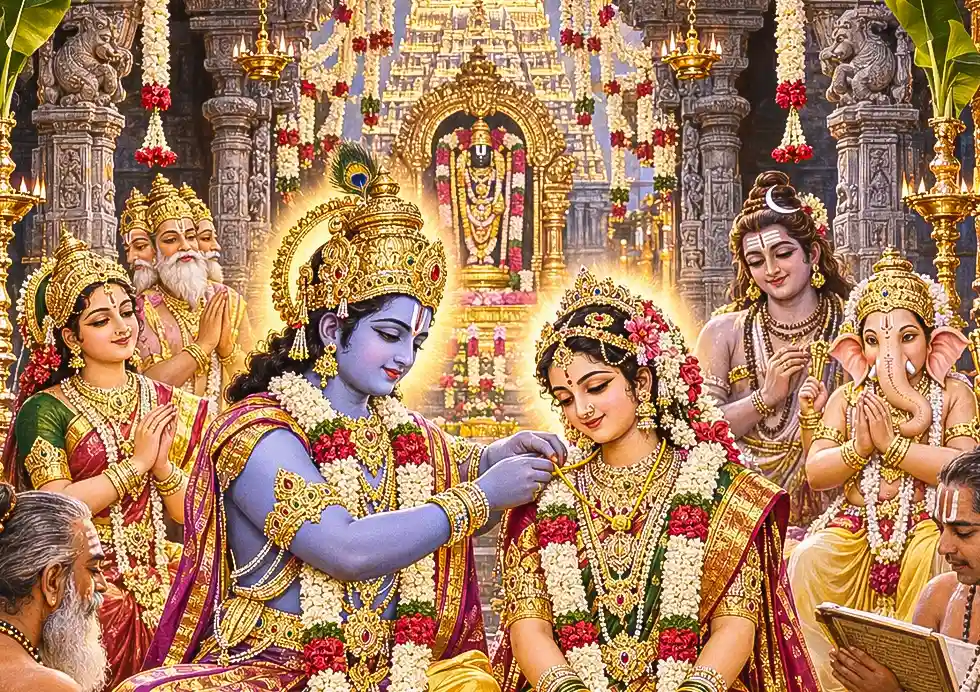
Tulsi Vivah Story – The Divine Marriage of Tulsi and Lord Vishnu cottage9.com
Cottage9 Enterprises
12 hours ago in Arts & Culture
The Tulsi Vivah Story is one of the most beautiful and sacred stories in Hindu mythology. It celebrates the divine marriage of Goddess Tulsi with Lord Vishnu, symbolising devotion, purity, love, and the victory of righteousness over evil. This auspicious occasion is celebrated every year by Hindu devotees with great faith and enthusiasm, marking the ceremonial beginning of the Hindu wedding season.
Tulsi, also known as Vrinda, is considered a sacred plant in Hinduism and is worshipped in many Indian households. Her leaves hold a special place in Hindu rituals, particularly in the worship of Lord Vishnu and Lord Krishna. Tulsi Vivah is not just a religious ceremony but also represents the deep spiritual connection between nature and divinity.
Let’s explore the fascinating Tulsi Vivah Story, its mythological origins, religious significance, rituals, and traditions.
The Mythological Story Behind Tulsi Vivah
According to Hindu mythology, Tulsi was born as Vrinda, a devoted and virtuous woman who was deeply devoted to Lord Vishnu. She was married to Jalandhar, a powerful demon king who had gained extraordinary strength through her unwavering devotion and purity.
Jalandhar was blessed with immense power and became nearly invincible because of Vrinda’s spiritual devotion and chastity. Protected by her devotion, he began challenging the gods and creating disturbances in the universe.
Unable to defeat Jalandhar, the gods approached Lord Vishnu for help. They explained that Jalandhar’s power was connected to Vrinda’s unwavering devotion and that defeating him would be impossible as long as her spiritual protection remained intact.
To restore peace and protect the universe, Lord Vishnu devised a plan.
Lord Vishnu’s Divine Intervention
According to a popular version of the legend, Lord Vishnu took the appearance of Jalandhar and approached Vrinda. Believing him to be her husband, Vrinda welcomed him with devotion.
However, when she discovered the truth, she realised that her devotion and trust had been deceived. Deeply hurt and heartbroken, Vrinda cursed Lord Vishnu, declaring that he would turn into a stone.
Lord Vishnu accepted her curse, and it is believed that he manifested in the form of the sacred Shaligram stone, which is worshipped by devotees as a representation of Lord Vishnu.
After the incident, Vrinda’s sorrow and devotion moved Lord Vishnu. He blessed her and promised that she would become a sacred plant on Earth, known as Tulsi. He also declared that her worship would remain an essential part of his own worship.
Thus, Vrinda became Goddess Tulsi, and her devotion was immortalised through the sacred Tulsi plant.
Why Did Lord Vishnu Marry Goddess Tulsi?
The divine marriage of Goddess Tulsi and Lord Vishnu represents the fulfilment of Lord Vishnu’s promise to Vrinda.
According to Hindu tradition, Lord Vishnu, in his Shaligram form, is ceremonially married to Goddess Tulsi every year. This sacred union is celebrated as Tulsi Vivah.
The marriage symbolises divine love, devotion, forgiveness, and the eternal bond between the devotee and the divine.
It is also believed that worshipping Tulsi along with Lord Vishnu brings peace, prosperity, happiness, and spiritual blessings to the household.
When Is Tulsi Vivah Celebrated?
Tulsi Vivah is traditionally celebrated on the Dwadashi Tithi (twelfth lunar day) of the Shukla Paksha in the Hindu month of Kartik. In some regions, the ceremony is performed on Ekadashi, the eleventh lunar day, or continues through the following days.
The festival generally takes place after Dev Uthani Ekadashi, also known as Prabodhini Ekadashi, which marks the awakening of Lord Vishnu from his four-month cosmic sleep, known as Chaturmas.
Tulsi Vivah also marks the beginning of the auspicious Hindu wedding season. Devotees celebrate this occasion by performing the marriage ceremony of the Tulsi plant and Lord Vishnu with traditional wedding rituals.
Important Rituals and Traditions of Tulsi Vivah
Tulsi Vivah is celebrated with devotion and traditional wedding customs. The ceremony resembles a Hindu wedding and is performed in temples and homes. Some important rituals include:
1. Cleaning and Decorating the Tulsi Plant
The Tulsi plant is carefully cleaned and decorated with colourful clothes, flowers, jewellery, and ornaments. A small mandap is often created around the plant to represent a traditional wedding venue.
2. Preparing Lord Vishnu or Shaligram
An idol or sacred Shaligram stone representing Lord Vishnu is prepared for the wedding ceremony. Devotees decorate it with flowers, sandalwood paste, and traditional ornaments.
3. Performing the Wedding Ceremony
The marriage is performed with traditional Hindu wedding rituals. Devotees offer prayers, recite mantras, and symbolically conduct the wedding of Tulsi and Lord Vishnu.
4. Offering Prasad and Bhog
Fruits, sweets, flowers, and other traditional offerings are presented to the deities. Special vegetarian dishes are prepared and distributed as prasad among family members and devotees.
5. Performing Aarti and Seeking Blessings
The ceremony concludes with aarti and prayers. Devotees seek blessings for marital happiness, family harmony, prosperity, and well-being.
Religious Significance of Tulsi Vivah
Tulsi Vivah holds great spiritual importance in Hindu culture. The festival represents the sacred relationship between Goddess Tulsi and Lord Vishnu and reminds devotees of the importance of faith, dedication, and righteousness.
Here are some important beliefs associated with the festival:
- Symbol of devotion: Goddess Tulsi represents unwavering faith and devotion towards the divine.
- Marital happiness: Married couples worship Tulsi and Lord Vishnu for a peaceful and harmonious married life.
- Spiritual blessings: Devotees believe that performing Tulsi Vivah brings happiness, prosperity, and positive energy into the home.
- Sacredness of nature: The worship of Tulsi highlights the importance of respecting and protecting nature.
- Beginning of wedding season: Tulsi Vivah marks the return of auspicious wedding ceremonies after Chaturmas.
Why Is the Tulsi Plant Considered Sacred in Hinduism?
The Tulsi plant is regarded as one of the most sacred plants in Hinduism. It is believed to be the earthly manifestation of Goddess Tulsi and is closely associated with Lord Vishnu.
Many Hindu households maintain a Tulsi plant in their courtyard or near the entrance of their homes. Devotees offer water to the plant, light a diya, and perform daily prayers as a mark of respect.
Tulsi leaves are also considered an essential offering during the worship of Lord Vishnu and Lord Krishna. Beyond its religious importance, the plant has a long history of use in traditional Indian wellness practices.
The Tulsi plant therefore represents both spiritual purity and the importance of nature in everyday life.
Tulsi Vivah and Its Connection with Indian Traditions
Tulsi Vivah reflects the rich cultural and religious heritage of India. The celebration brings families and communities together through prayers, decorations, traditional food, and wedding ceremonies.
In different parts of India, the festival is celebrated with regional customs and traditions. Some families perform elaborate wedding rituals, while others organise simple ceremonies at home.
Beautiful rangoli designs, flower decorations, traditional wedding songs, and devotional bhajans add to the festive atmosphere.
The festival also reminds people to preserve India’s traditional customs and pass religious stories and values from one generation to another.
Conclusion
The Tulsi Vivah Story is a timeless tale of devotion, sacrifice, divine blessings, and spiritual transformation. The story of Vrinda and Lord Vishnu teaches us about faith, righteousness, and the power of devotion.
Celebrated with great enthusiasm during the month of Kartik, Tulsi Vivah represents the sacred union of Goddess Tulsi and Lord Vishnu. Beyond its religious significance, the festival highlights the importance of nature, family traditions, and spiritual values in Indian culture.
Even today, millions of devotees celebrate Tulsi Vivah with prayers and traditional wedding rituals, keeping this beautiful mythological tradition alive.
Frequently Asked Questions About Tulsi Vivah
1. What is the Tulsi Vivah Story?
The Tulsi Vivah Story describes the divine marriage of Goddess Tulsi, originally known as Vrinda, with Lord Vishnu. It is associated with Vrinda’s devotion, her curse upon Lord Vishnu, and his promise to honour her as the sacred Tulsi plant.
2. Why is Tulsi Vivah celebrated?
Tulsi Vivah is celebrated to commemorate the sacred marriage of Goddess Tulsi and Lord Vishnu. It symbolises devotion, purity, prosperity, and divine blessings.
3. Who married Goddess Tulsi?
According to Hindu tradition, Goddess Tulsi was ceremonially married to Lord Vishnu in his Shaligram form.
4. When is Tulsi Vivah celebrated?
Tulsi Vivah is generally celebrated on Kartik Shukla Dwadashi, shortly after Dev Uthani Ekadashi. Some traditions observe the ceremony on Ekadashi or other nearby auspicious days.
5. What is the importance of Tulsi leaves in Hindu worship?
Tulsi leaves are considered sacred and are especially important in the worship of Lord Vishnu and Lord Krishna. They symbolise devotion, purity, and spiritual blessings.
6. What does Tulsi Vivah symbolise?
Tulsi Vivah symbolises divine love, unwavering devotion, the victory of righteousness, and the sacred connection between nature and spirituality.
voters
Report Story 
Related Stories










Recent Stories