 Parzival Plumbing
1 month ago in Business Services
High Authority Social Bookmarking Site for US SEO in 2026 - A2Bookmarks USA
Welcome to A2Bookmarks USA, your leading social bookmarking site designed for immediate digital impact across the United States. Our platform provides a powerful, specialized network that enables users to instantly share, organize, and elevate their most valuable web resources. As a premier choice among US social bookmarking sites in 2026, A2Bookmarks USA is engineered to maximize your content's shelf life, search engine indexing, and organic discoverability. Entrepreneurs, marketers, and creators rely on our platform to secure authoritative, geo-targeted backlinks that build lasting domain strength. Streamline your content strategy, connect with an engaged American audience, and leverage data-driven bookmarking features tailored for competitive U.S. markets. Gain the visibility advantage and accelerate your SEO results with a platform built specifically for the American digital landscape. Join A2Bookmarks USA and start building your authoritative link profile today.
Shower Valve Replacement Guide for Homeowners parzivalplumbing.com
Parzival Plumbing
1 month ago in Business Services
A properly functioning shower valve is essential for maintaining comfortable water temperature, consistent water pressure, and a reliable shower experience. When a shower starts producing fluctuating temperatures, leaking water, or difficulty adjusting between hot and cold settings, the valve may need repair or replacement. Understanding when to consider shower valve replacement can help homeowners prevent water waste, avoid potential water damage, and maintain an efficient bathroom plumbing system.
For homeowners in Orange County, California, identifying shower valve problems early can make bathroom maintenance easier and help prevent more expensive plumbing repairs.
What Is a Shower Valve?
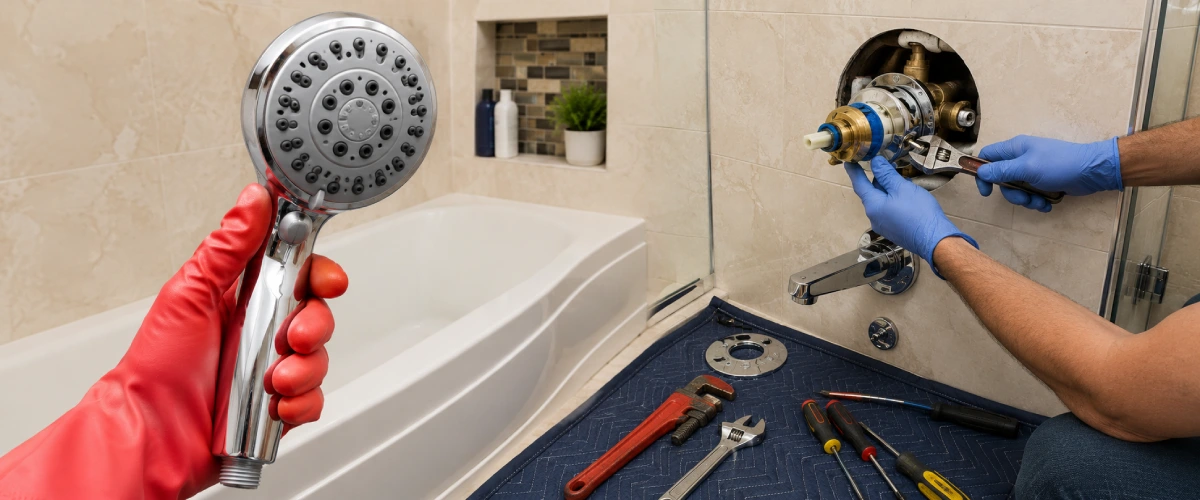
A shower valve is a plumbing component installed behind the shower wall that controls the flow and temperature of water. It mixes hot and cold water and directs it to the showerhead or tub spout, depending on the plumbing configuration.
Most modern shower valves are designed to provide reliable temperature control and help reduce sudden changes in water temperature. However, internal components can wear out over time because of regular use, mineral buildup, corrosion, or aging plumbing fixtures.
Common shower valve types include:
- Pressure-balancing valves: Help maintain a more consistent shower temperature when water pressure changes elsewhere in the home.
- Thermostatic valves: Allow users to set a preferred water temperature while controlling water flow separately on many models.
- Traditional mixing valves: Combine hot and cold water through a single control or separate handles, depending on the design.
Choosing the right replacement valve depends on the existing plumbing system, shower configuration, and homeowner preferences.
Signs You Need Shower Valve Replacement
Recognizing the warning signs of a failing shower valve can help you determine when professional plumbing service may be necessary.
1. Inconsistent Water Temperature
If your shower suddenly becomes too hot or too cold, the valve may not be regulating the water mixture properly. Worn internal components, mineral deposits, or problems with the home’s water supply can contribute to temperature fluctuations.
A professional plumber can inspect the valve and determine whether cleaning, cartridge replacement, or complete valve replacement is appropriate.
2. Water Leaking From the Shower Handle
Water dripping from behind or around the shower handle may indicate a worn cartridge, damaged seals, or a deteriorating valve assembly. Even a small leak can waste water and potentially damage surrounding materials if moisture enters the wall.
Addressing the problem promptly helps reduce water waste and prevents minor plumbing issues from becoming more serious.
3. Difficulty Adjusting Hot and Cold Water
A shower handle that feels stiff, sticks, or fails to adjust the temperature smoothly may indicate mineral buildup or worn valve components. In some cases, replacing the cartridge resolves the issue. More extensive damage may require a complete shower valve replacement.
4. Low Water Flow From the Showerhead
Reduced shower flow can result from a clogged showerhead, restricted water supply, mineral accumulation, or a faulty valve. Before replacing the valve, a plumber should identify the actual cause to avoid unnecessary repairs.
5. An Old or Corroded Shower Valve
Older valves may develop corrosion, worn seals, or damaged internal parts. If replacement components are unavailable or the valve body is deteriorating, installing a new valve may provide a more reliable long-term solution.
What Causes Shower Valve Problems?
Several factors can affect the performance and lifespan of a shower valve.
Mineral buildup: Hard water can leave calcium and magnesium deposits inside plumbing components, restricting movement and affecting water flow.
Normal wear and tear: Frequent use gradually wears down cartridges, seals, and other moving parts.
Corrosion: Aging metal components may deteriorate, increasing the likelihood of leaks and mechanical failure.
Improper installation: Incorrect installation or incompatible components can lead to leaks, poor temperature control, and premature wear.
Water pressure fluctuations: Changes in household water pressure can affect shower performance and may reveal problems with an existing valve or the wider plumbing system.
Identifying the underlying cause is important before deciding whether to repair or replace the valve.
Shower Valve Repair vs. Replacement
Not every shower valve problem requires a complete replacement. The right solution depends on the valve’s condition and the source of the issue.
A shower valve repair may be suitable when the valve body is in good condition and the problem involves a replaceable cartridge, worn seal, or another serviceable component.
A complete shower valve replacement may be necessary when the valve body is cracked, severely corroded, damaged beyond repair, or incompatible with available replacement parts.
Replacement may also make sense during a bathroom renovation when the existing valve is outdated or the homeowner wants improved temperature control.
A qualified plumber can evaluate the existing assembly and recommend the most practical solution based on the condition of the plumbing system.
How Shower Valve Replacement Works
The exact process varies by valve type and bathroom construction, but a typical professional replacement involves several steps.
Step 1. Inspect the Existing Valve
The plumber examines the shower handle, visible plumbing components, water flow, and temperature controls. This inspection helps determine whether the issue requires a new cartridge or a complete valve assembly.
Step 2. Shut Off the Water Supply
The water supply must be shut off before removing plumbing components. Depending on the home’s plumbing configuration, this may require shutting off the main water supply.
Step 3. Remove the Existing Handle and Valve
The handle, trim plate, and other necessary components are removed to access the valve. Depending on the installation, the plumber may need access behind the shower wall.
Step 4. Install the Replacement Valve
The replacement valve must be compatible with the plumbing system and installed according to the manufacturer’s instructions. Proper connections, alignment, and temperature-limit settings are essential for safe operation.
Step 5. Test for Leaks and Proper Operation
After installation, the plumber restores the water supply and checks the connections for leaks. The shower is tested for appropriate water flow and temperature control before the installation is completed.
Because valve replacement can involve concealed plumbing and waterproofing, professional installation is often the safest approach, especially when wall access or pipe modifications are required.
How Much Does Shower Valve Replacement Cost?
The cost of shower valve replacement depends on several factors, including the valve type, labor requirements, accessibility, and condition of the existing plumbing.
Factors that can affect the total cost include:
- The price and type of replacement valve.
- Whether only a cartridge or the entire valve assembly needs replacement.
- The amount of work required to access concealed plumbing.
- Whether pipes, fittings, or surrounding materials need repair.
- Whether the project includes new shower trim or bathroom upgrades.
- Local labor rates and any necessary wall restoration.
A straightforward replacement may cost significantly less than a project requiring extensive plumbing modifications or tile removal. Homeowners should request an itemized estimate before work begins so they understand the expected labor, materials, and additional repairs.
Can You Replace a Shower Valve Yourself?
Some homeowners with plumbing experience may be able to replace a compatible shower cartridge or perform a simple repair. However, replacing the entire valve assembly is more complicated because it may require cutting and reconnecting pipes, accessing concealed plumbing, and restoring the shower wall.
Incorrect installation can cause hidden leaks, water damage, or unsafe temperature settings. Older plumbing systems may also require specialized fittings or additional repairs.
If you are unfamiliar with plumbing connections or cannot easily access the valve, hiring a professional plumber is a practical way to reduce installation risks and ensure the system is tested correctly.
How to Maintain Your Shower Valve
Routine maintenance can help extend the life of your shower valve and reduce the likelihood of unexpected plumbing problems.
- Clean the showerhead periodically to remove mineral deposits.
- Avoid forcing a stiff or stuck shower handle.
- Address leaks as soon as they appear.
- Check for unusual temperature fluctuations.
- Follow the manufacturer’s maintenance recommendations.
- Arrange a plumbing inspection if recurring problems develop.
In areas affected by hard water, periodic inspection may be particularly useful because mineral deposits can affect shower fixtures and internal valve components.
Professional Shower Valve Replacement in Orange County, California
A malfunctioning shower valve can make everyday routines uncomfortable and may contribute to water waste or concealed leaks. Whether the problem involves inconsistent temperatures, a leaking handle, reduced water flow, or an aging valve assembly, identifying the cause is the first step toward a lasting solution.
Parzival Plumbing provides residential and commercial plumbing services in Orange County, California. Homeowners experiencing shower valve problems can seek professional assistance to evaluate the existing plumbing, determine whether repair or replacement is appropriate, and restore reliable shower operation.
Professional service can help ensure that the replacement valve is compatible with the plumbing system, properly installed, and tested for leaks and temperature control.
Conclusion
Shower valve replacement can improve temperature control, address persistent leaks, and restore the reliable operation of a bathroom shower. While some issues can be resolved by replacing a cartridge or seal, a damaged or severely corroded valve may require a complete replacement.
By recognizing early warning signs, maintaining shower fixtures, and consulting a qualified plumber when necessary, homeowners can protect their plumbing systems and avoid preventable water damage.
For shower valve inspection, repair, or replacement in Orange County, consider contacting Parzival Plumbing for professional plumbing assistance.
voters
Report Story 
Related Stories











Recent Stories